
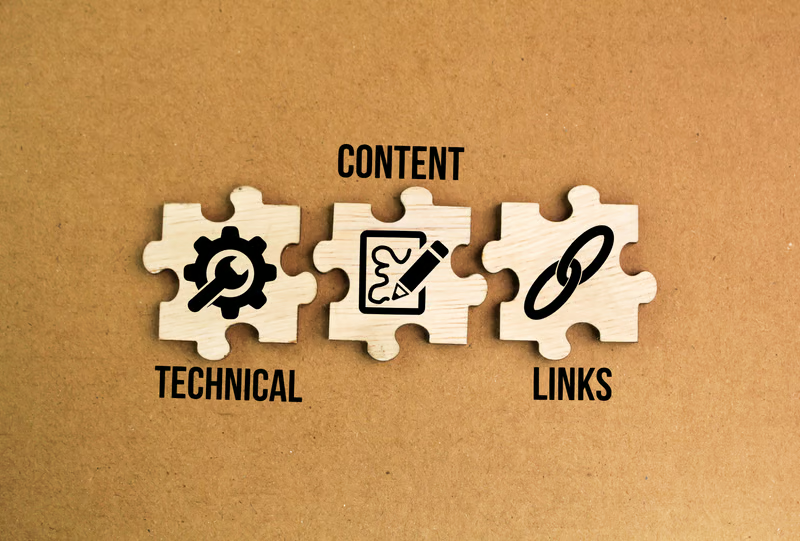
Backlinks remain one of the most influential factors in search engine optimization because they help search engines evaluate the credibility, authority, and relevance of websites. A backlink occurs when one website links to another, essentially acting as a vote of confidence that signals value and trustworthiness. Search engines use these signals as part of their ranking algorithms to determine which pages deserve visibility in search results. Because of their importance, many businesses invest significant resources into link-building campaigns. However, not every organization has the budget to purchase expensive SEO services, advertising campaigns, or premium digital marketing initiatives. Fortunately, effective backlink acquisition does not always require substantial financial investment. Many of the most valuable backlinks are earned through high-quality content, relationship building, industry participation, and strategic outreach rather than direct spending. Understanding how to build free backlinks allows website owners, entrepreneurs, bloggers, nonprofits, and small businesses to improve their online visibility while maintaining cost efficiency. By focusing on sustainable and ethical approaches, organizations can strengthen their authority, attract more traffic, and support long-term SEO growth without relying on paid link-building tactics.
Understanding Backlinks
A backlink is a hyperlink from one website that points to another website.
Search engines often interpret backlinks as signals of credibility and trust.
When reputable websites link to content, they may indicate that the information is valuable or relevant.
Backlinks help search engines:
- discover pages
- evaluate authority
- assess relevance
- understand relationships between websites
Because of these functions, backlinks remain a significant ranking factor.
Why Backlinks Matter for SEO
Search engines strive to provide users with trustworthy information.
Backlinks help determine which pages deserve visibility.
Strong backlink profiles often contribute to:
- improved rankings
- increased authority
- greater discoverability
- higher referral traffic
Although backlinks are only one part of SEO, they often play a critical role in competitive search environments.
The Difference Between Quality and Quantity
Many website owners focus on acquiring as many backlinks as possible.
However, quality generally matters more than quantity.
A single backlink from a respected and authoritative website may provide more value than dozens of links from low-quality sources.
Effective link building emphasizes relevance, trust, and authority.
Why Free Backlinks Are Valuable
Free backlinks offer several advantages.
They allow organizations to:
- reduce marketing costs
- build authority naturally
- improve visibility
- support sustainable growth
When acquired ethically, free backlinks often provide long-term SEO value without requiring significant financial investment.
Create High-Quality Content
Content remains one of the most effective methods for earning backlinks.
People naturally link to resources they find useful, informative, or unique.
Examples of link-worthy content include:
- guides
- research studies
- tutorials
- original insights
High-quality content increases the likelihood that others will reference and share information.
Publish Comprehensive Guides
Detailed guides often attract backlinks because they serve as valuable resources.
Comprehensive content helps readers understand topics thoroughly.
When websites need to reference information, they frequently link to authoritative guides.
Long-form educational content can therefore support organic link acquisition.
Produce Original Research
Original data often generates strong backlink opportunities.
Research may include:
- surveys
- industry studies
- market analysis
- proprietary findings
Unique information gives other websites a reason to reference and cite content.
Original research frequently attracts attention from journalists and industry publications.
Create Helpful Resources
Practical resources often encourage backlinks.
Examples may include:
- calculators
- templates
- checklists
- worksheets
Useful tools solve problems and provide ongoing value.
As a result, they may earn links from blogs, businesses, and educational websites.
Develop Infographics
Infographics present information visually.
Well-designed graphics can simplify complex topics and make content easier to understand.
When others share infographics, they often include links back to the original source.
This can create valuable backlink opportunities.
Start a Blog
Blogging supports backlink acquisition by creating a steady stream of content.
Regular publishing increases opportunities to:
- rank for keywords
- attract visitors
- earn references
Consistent blogging often contributes to long-term authority growth.
Guest Posting
Guest posting involves contributing content to other websites.
In exchange, authors often receive attribution and a backlink.
Successful guest posting focuses on:
- relevant websites
- valuable contributions
- audience alignment
Quality matters more than volume.
Thoughtful guest articles can strengthen visibility and authority.
Participate in Industry Communities
Industry communities often provide opportunities to build relationships and visibility.
Examples include:
- forums
- professional groups
- discussion platforms
Meaningful participation helps establish expertise while creating opportunities for natural references and mentions.
Answer Questions Online
Question-and-answer platforms can support visibility when used appropriately.
Providing helpful responses may lead users to discover additional resources on your website.
The focus should remain on value rather than self-promotion.
Helpful contributions often generate trust.
Build Relationships With Industry Peers
Networking plays an important role in link building.
Relationships with:
- bloggers
- journalists
- business owners
- content creators
can create opportunities for collaboration and mutual support.
Strong professional relationships often lead to natural backlinks over time.
Leverage Digital Public Relations
Digital PR focuses on earning media attention and online coverage.
Activities may include:
- sharing newsworthy stories
- providing expert commentary
- responding to media requests
Successful PR efforts often generate backlinks from authoritative publications.
Submit to Relevant Directories
Not all directories provide value, but reputable directories can support visibility.
Examples may include:
- industry directories
- professional associations
- local business listings
Directory submissions should focus on quality and relevance.
Avoid low-quality directories that exist solely for link building.
Optimize Local Business Listings
Local businesses often benefit from listing profiles on trusted platforms.
Consistent listings can provide:
- backlinks
- visibility
- credibility
Accurate business information is essential for maximizing value.
Create Shareable Content
Shareable content encourages distribution across websites and social platforms.
Characteristics often include:
- usefulness
- originality
- clarity
- relevance
The more valuable content becomes, the more likely others are to reference it.
Publish Expert Opinions
Thought leadership content can attract backlinks by offering unique perspectives.
Examples include:
- industry forecasts
- expert commentary
- trend analysis
People frequently reference credible opinions when discussing important topics.
Conduct Interviews
Interviews create opportunities for collaboration and promotion.
Interview subjects often share content with their audiences.
This may lead to:
- mentions
- shares
- backlinks
Interviews also help expand professional networks.
Feature Industry Experts
Featuring experts in articles or resource pages provides mutual benefits.
Experts may share content that highlights their contributions.
This exposure can increase reach and backlink opportunities.
Monitor Brand Mentions
Sometimes websites mention organizations without linking to them.
Monitoring mentions helps identify opportunities to request backlinks.
Many website owners are willing to add links when asked politely.
Reclaim Broken Links
Broken link reclamation involves identifying links that no longer function properly.
Organizations can contact website owners and suggest updated resources.
This strategy benefits both parties by improving user experience.
Create Statistics Pages
Statistics pages often attract backlinks because writers and researchers need reliable data sources.
Well-maintained collections of industry statistics can generate references over extended periods.
These pages frequently become link-building assets.
Develop Educational Content
Educational resources remain highly linkable.
Examples include:
- tutorials
- guides
- learning materials
- explanations
Informative content supports authority while providing ongoing value.
Use Social Media Strategically
Social media links may not always provide direct SEO value, but they can increase content visibility.
Greater visibility can lead to:
- shares
- mentions
- backlinks
Social platforms help distribute content to broader audiences.
Collaborate With Partners
Business partnerships often create opportunities for mutual promotion.
Organizations may feature one another through:
- resource pages
- case studies
- success stories
Collaborative efforts can generate valuable backlinks naturally.
Create Case Studies
Case studies demonstrate expertise and provide real-world examples.
Businesses featured in case studies may link back to content that highlights their success.
This creates opportunities for additional visibility.
Publish Resource Pages
Resource pages collect useful information in one location.
Well-curated resource pages can attract backlinks because they serve as valuable references.
Comprehensive collections often perform particularly well.
Build Authority Through Consistency
Link building rarely produces immediate results.
Authority develops through consistent effort over time.
Organizations that publish valuable content regularly often earn backlinks more naturally.
Consistency contributes to long-term success.
Avoid Black-Hat Link Building
Some websites attempt to manipulate rankings through unethical tactics.
Examples include:
- link schemes
- purchased links
- spam networks
These approaches can create significant risks.
Search engines generally favor natural and ethical link-building practices.
Focus on Relevance
Relevance is a key factor in backlink quality.
Links from websites related to a topic or industry often provide greater value than unrelated links.
Relevance supports stronger contextual signals.
Understand Referral Traffic Benefits
Backlinks do more than support SEO.
They can also generate direct referral traffic.
Visitors arriving through relevant backlinks may be highly interested in content, products, or services.
This additional traffic can provide significant business value.
Use Analytics to Measure Results
Monitoring performance helps evaluate link-building effectiveness.
Organizations should track:
- referral traffic
- rankings
- engagement
- conversions
Data provides insight into which strategies deliver the best outcomes.
Long-Term Link Building Strategy
The most successful backlink strategies focus on long-term value.
Rather than chasing quick results, organizations should prioritize:
- quality content
- relationships
- expertise
- credibility
Sustainable approaches often produce stronger and more durable results.
The Role of Search Engines in Link Evaluation
Search engines operated by companies such as Google and Microsoft continue refining how backlinks are evaluated.
Modern algorithms increasingly emphasize quality, relevance, and trustworthiness.
Understanding these principles helps guide effective link-building strategies.
Conclusion
Free backlinks remain one of the most effective ways to improve SEO performance without requiring significant financial investment. While acquiring high-quality links takes time and effort, many of the most valuable backlinks are earned rather than purchased. Strategies such as creating exceptional content, publishing original research, developing useful resources, guest posting, building professional relationships, participating in industry communities, and leveraging digital public relations can all contribute to a stronger backlink profile. These methods not only improve search visibility but also help establish authority and credibility within a particular industry or niche.
Successful link building requires a focus on quality, relevance, and long-term value. Search engines operated by organizations such as Google and Microsoft increasingly prioritize natural links that reflect genuine trust and usefulness. As a result, sustainable link-building strategies often outperform shortcuts or manipulative tactics that attempt to exploit ranking systems.
Ultimately, free backlinks are more than SEO assets. They represent relationships, recognition, and trust within the digital ecosystem. Organizations that consistently create valuable content, contribute meaningfully to their industries, and focus on serving audiences effectively are often rewarded with the backlinks, visibility, and authority needed to support long-term online success.