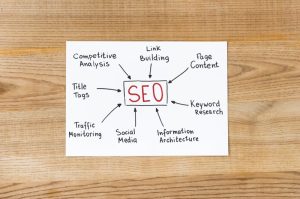

Search Engine Optimization (SEO) has become one of the most important components of digital marketing because it helps websites improve visibility, attract qualified visitors, and generate long-term organic traffic. Every day, users turn to search engines to find information, compare products, research services, and solve problems. Businesses that appear prominently in search results often gain significant advantages in terms of brand awareness, customer acquisition, and revenue generation. However, achieving strong search visibility requires more than simply publishing content online. Search engines evaluate websites using hundreds of factors related to content quality, technical performance, user experience, authority, relevance, and trustworthiness. Because SEO involves many interconnected elements, website owners and marketers often rely on comprehensive checklists to ensure important optimization opportunities are not overlooked. A complete SEO checklist serves as a roadmap that helps organizations systematically improve their websites while maintaining consistency and accountability. From keyword research and on-page optimization to technical infrastructure, backlink development, and performance tracking, each component plays a vital role in supporting search success. Understanding what should be included in a complete SEO checklist can help businesses create stronger websites, improve rankings, and establish sustainable growth in an increasingly competitive online environment.
Understanding the Purpose of an SEO Checklist
An SEO checklist provides a structured approach to website optimization.
Instead of addressing SEO randomly, a checklist ensures that critical tasks are completed systematically.
Benefits include:
- improved organization
- consistent implementation
- reduced oversight
- measurable progress
Whether managing a small website or a large enterprise platform, a checklist helps maintain focus on factors that influence search performance.
SEO becomes more manageable when broken into actionable steps.
Begin With Clear SEO Goals
Before implementing optimization tactics, organizations should define their objectives.
Common SEO goals may include:
- increasing organic traffic
- improving rankings
- generating leads
- enhancing brand visibility
- supporting sales growth
Clear goals help prioritize activities and measure success.
Without defined objectives, evaluating SEO performance becomes difficult.
Conduct Comprehensive Keyword Research
Keyword research serves as the foundation of most SEO strategies.
Keywords reveal what users are searching for and help identify content opportunities.
Research should focus on:
- search volume
- competition levels
- user intent
- topic relevance
Understanding audience language allows businesses to create content that aligns with actual search behavior.
Analyze Search Intent
Keywords alone are not enough.
Organizations must understand why users perform specific searches.
Search intent generally falls into categories such as:
- informational
- navigational
- commercial
- transactional
Matching content to user intent improves relevance and increases the likelihood of satisfying visitors.
Search engines increasingly prioritize intent fulfillment.
Create a Keyword Strategy
A complete SEO checklist should include keyword planning.
This involves identifying:
- primary keywords
- secondary keywords
- long-tail phrases
- supporting topics
Strategic keyword organization helps ensure that content remains focused while avoiding unnecessary competition between pages.
Audit Existing Content
Content audits help evaluate current website performance.
Organizations should review pages for:
- relevance
- quality
- accuracy
- performance
Audits often reveal opportunities for updates, consolidation, or removal.
Regular reviews help maintain content effectiveness.
Optimize Page Titles
Title tags remain among the most important on-page SEO elements.
Every page should have a unique title that:
- describes the content
- includes relevant keywords
- encourages clicks
Well-crafted titles help both users and search engines understand page topics.
Write Effective Meta Descriptions
Meta descriptions provide concise summaries that appear in search results.
Strong descriptions should:
- communicate value
- summarize content
- encourage engagement
Although they are not direct ranking factors, they can influence click-through rates significantly.
Use Proper Heading Structures
Headings improve content organization and readability.
A logical structure generally includes:
- one H1 heading
- multiple H2 headings
- supporting H3 headings
Search engines use headings to understand page hierarchy and content relationships.
Users benefit from clearer navigation as well.
Create High-Quality Content
Content quality remains one of the most influential SEO factors.
Effective content should be:
- informative
- accurate
- engaging
- comprehensive
High-quality information helps satisfy user needs and build trust.
Content should prioritize value over keyword density.
Avoid Thin Content
Thin content refers to pages that provide limited value.
Examples may include:
- extremely short articles
- duplicate pages
- low-information content
Search engines generally favor pages that address topics thoroughly and meaningfully.
Every page should serve a clear purpose.
Optimize Keywords Naturally
Keywords should appear naturally throughout content.
Important locations may include:
- titles
- headings
- introductions
- body content
Overusing keywords can reduce readability and create poor user experiences.
Natural language remains important.
Improve Internal Linking
Internal links connect related pages within a website.
Benefits include:
- improved navigation
- stronger site architecture
- enhanced crawlability
Strategic internal linking helps distribute authority and guide users toward additional resources.
Create SEO-Friendly URLs
URLs should be:
- concise
- descriptive
- readable
Simple URL structures improve both usability and search engine understanding.
Complicated URLs often provide less value.
Optimize Images
Images contribute significantly to website experiences.
Optimization should include:
- descriptive file names
- compressed file sizes
- appropriate formats
- alternative text
Proper image management supports performance and accessibility.
Add Meaningful Alt Text
Alternative text helps search engines understand images while improving accessibility.
Alt text should:
- describe image content
- remain relevant
- provide context
Meaningful descriptions improve both usability and optimization.
Ensure Mobile Responsiveness
Mobile optimization is essential because a significant portion of internet traffic originates from mobile devices.
Responsive websites adapt to different screen sizes and provide better user experiences.
Mobile-friendly design should support:
- readability
- navigation
- usability
Search engines increasingly emphasize mobile performance.
Improve Page Speed
Website speed affects both user experience and search rankings.
Slow pages can increase:
- bounce rates
- abandonment
- frustration
Performance improvements may involve:
- image optimization
- caching
- code minimization
- server enhancements
Fast websites generally perform better.
Use HTTPS Security
HTTPS provides secure communication between users and websites.
Benefits include:
- data protection
- increased trust
- improved credibility
Secure websites are considered standard practice in modern SEO.
Create an XML Sitemap
An XML sitemap helps search engines discover important content.
Sitemaps are particularly valuable for:
- large websites
- new websites
- frequently updated websites
They improve crawl efficiency and support indexing.
Configure Robots.txt Properly
The robots.txt file provides instructions to search engine crawlers.
Organizations should ensure that:
- important content remains accessible
- unnecessary areas are restricted appropriately
Incorrect configurations can create significant SEO issues.
Monitor Indexing Status
Pages must be indexed before they can appear in search results.
Website owners should verify that important content is being indexed properly.
Indexing problems can limit visibility regardless of content quality.
Fix Broken Links
Broken links negatively affect both users and search engines.
Regular reviews should identify:
- broken internal links
- outdated external links
- missing resources
Repairing broken links improves site quality.
Eliminate Duplicate Content
Duplicate content can create confusion regarding which page should rank.
Organizations should identify and address duplication wherever possible.
Unique content helps search engines understand page value more clearly.
Implement Canonical Tags
Canonical tags help indicate preferred versions of similar pages.
These tags reduce confusion and consolidate ranking signals.
They are particularly useful for websites with multiple URL variations.
Optimize Navigation Structure
Website navigation should be intuitive and logical.
Users should be able to locate important information easily.
Effective navigation improves:
- usability
- crawlability
- engagement
Strong site architecture benefits both visitors and search engines.
Focus on User Experience
User experience increasingly influences search performance.
Important considerations include:
- readability
- accessibility
- layout clarity
- navigation efficiency
Positive experiences often encourage longer visits and greater engagement.
Improve Readability
Content should be easy to read and understand.
Readability improvements may involve:
- shorter paragraphs
- clear headings
- logical organization
- simple language
Better readability often supports stronger engagement.
Optimize for Local SEO
Businesses serving specific geographic regions should include local SEO within their checklist.
Important tasks include:
- local keyword targeting
- business listings
- location-specific pages
- review management
Local optimization helps attract nearby customers.
Maintain Accurate Business Information
Consistency across business listings is important.
Information such as:
- business name
- address
- phone number
should remain accurate across platforms.
Consistency supports credibility and local visibility.
Encourage Customer Reviews
Reviews contribute to trust and local SEO performance.
Organizations should encourage authentic customer feedback.
Positive reviews may influence both rankings and purchasing decisions.
Build High-Quality Backlinks
Backlinks remain a critical ranking factor.
Effective link-building strategies often focus on:
- valuable content
- partnerships
- outreach
- public relations
Quality links from reputable websites generally provide greater value than large quantities of low-quality links.
Monitor Backlink Profiles
Backlink analysis helps organizations understand their authority and identify opportunities.
Monitoring may reveal:
- valuable links
- lost links
- suspicious links
Regular reviews support healthier link profiles.
Use Structured Data
Structured data helps search engines interpret content more effectively.
Benefits may include enhanced search result displays such as:
- ratings
- FAQs
- event details
Structured data can improve visibility and engagement.
Track Performance Metrics
SEO requires ongoing measurement.
Organizations should monitor:
- organic traffic
- rankings
- conversions
- engagement
Performance tracking supports informed decision-making and continuous improvement.
Use Analytics Tools
Analytics platforms provide valuable insights into visitor behavior.
Companies often rely on tools from organizations such as Google to evaluate performance and identify opportunities.
Data-driven decisions generally produce stronger results.
Conduct Regular SEO Audits
SEO audits help identify weaknesses and opportunities.
Comprehensive audits often review:
- technical SEO
- content quality
- user experience
- backlink health
Regular evaluations help maintain competitiveness.
Keep Content Updated
Search engines favor relevant and current information.
Content updates may involve:
- correcting outdated information
- adding new insights
- improving quality
Refreshing content often supports improved performance.
Monitor Algorithm Changes
Search engines evolve continuously.
Organizations should stay informed about updates introduced by companies such as Google and Microsoft.
Awareness helps maintain effective optimization strategies.
Develop a Long-Term SEO Strategy
SEO success rarely occurs overnight.
Sustainable growth requires:
- consistency
- patience
- ongoing improvement
Long-term strategies often outperform short-term tactics focused solely on immediate gains.
Conclusion
A complete SEO checklist should cover every major aspect of website optimization, including keyword research, content quality, technical performance, user experience, mobile usability, backlink development, local SEO, structured data, analytics, and ongoing maintenance. Each element contributes to how search engines understand, evaluate, and rank webpages. While individual tactics may vary depending on industry, audience, and business goals, a comprehensive checklist helps ensure that critical optimization opportunities are not overlooked. It also provides a structured framework for improving visibility, increasing organic traffic, and supporting long-term digital growth.
Successful SEO requires more than simply following a list of tasks. It involves understanding user needs, creating valuable content, maintaining technical excellence, and adapting to evolving search engine expectations. Tools and resources provided by organizations such as Google and Microsoft can help website owners monitor performance and identify areas for improvement, but sustainable success depends on consistent effort and strategic execution.
Ultimately, the purpose of an SEO checklist is to create a better website—not only for search engines but also for the people using it. Organizations that commit to comprehensive optimization practices are better positioned to build authority, attract qualified visitors, improve user experiences, and achieve meaningful long-term results in an increasingly competitive digital landscape.