
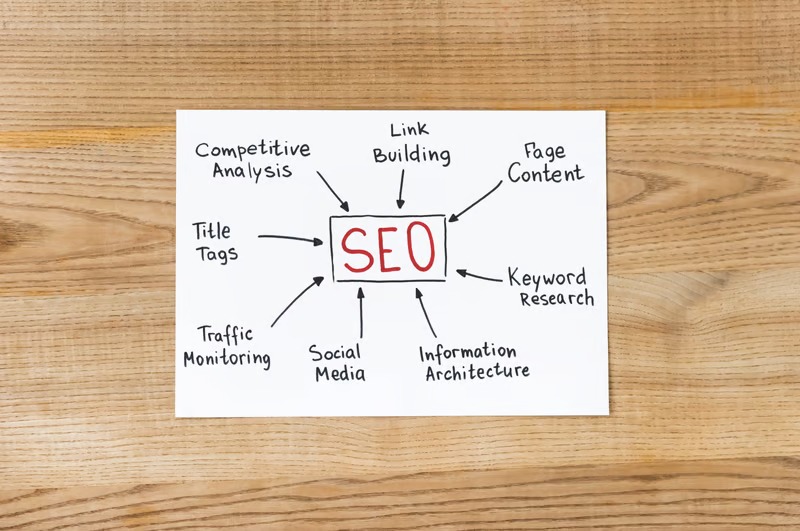
In the fast-paced world of digital marketing, staying ahead of the competition requires constant attention to your website’s performance. An essential aspect of maintaining a successful online presence is conducting regular SEO audits. These audits help identify areas for improvement, enhance visibility, and ultimately drive more traffic to your site. In this article, we will explore the essential SEO audit steps that every website owner should follow regularly.
Understanding the Importance of SEO Audits
Why Regular SEO Audits Matter
Regular SEO audits are crucial for several reasons. First, they help you understand how well your website performs in search engine rankings. By identifying areas that need improvement, you can take proactive steps to enhance your site’s visibility. Additionally, SEO audits can uncover technical issues that may hinder your site’s performance, such as broken links or slow loading times. Addressing these issues ensures a better user experience, which is vital for retaining visitors and converting them into customers.
The Impact on Traffic and Conversions
A thorough SEO audit can significantly impact your website’s traffic and conversions. When you implement the changes identified in your audit, you can improve your site’s ranking in search engine results pages (SERPs). Higher rankings lead to increased visibility, which translates to more organic traffic. Moreover, a well-optimized site can provide a better user experience, leading to higher conversion rates. By regularly conducting SEO audits, you can ensure that your website remains competitive and effective in achieving its goals.
Step 1: Conduct a Technical SEO Audit
Checking Site Speed
Site speed is a critical factor that affects both user experience and search engine rankings. A slow-loading website can frustrate visitors, causing them to leave before it fully loads. To assess your site’s speed, use tools such as Google PageSpeed Insights or GTmetrix. These tools provide insights into your site’s loading times and offer suggestions for improvement. Focus on optimizing images, leveraging browser caching, and minimizing server response times to enhance speed.
Mobile-Friendliness
With a growing number of users accessing websites from mobile devices, having a mobile-friendly site is essential. Google prioritizes mobile-friendly sites in its rankings, so ensure your website is responsive and provides a seamless experience on various devices. Use Google’s Mobile-Friendly Test tool to check how well your site performs on mobile. Look for any design or functionality issues that could hinder the user experience for mobile visitors.
Secure Your Site with HTTPS
Security is another important aspect of technical SEO. Websites that use HTTPS encryption are favored by search engines and instill trust in users. If your site is still using HTTP, consider upgrading to HTTPS. This not only improves your SEO but also protects user data and enhances overall site credibility. Check for any mixed content issues where secure and non-secure elements coexist, as these can negatively impact your site’s security.
Step 2: Analyze On-Page SEO Elements
Title Tags and Meta Descriptions
Title tags and meta descriptions play a significant role in how your website appears in search results. An effective title tag should include your focus keyword and accurately describe the content of the page. Similarly, meta descriptions should provide a concise summary of the page while enticing users to click. Regularly review and update these elements to ensure they are optimized and relevant.
Header Tags Structure
Using header tags (H1, H2, H3, etc.) correctly helps organize your content and improve readability. The H1 tag should be reserved for your main title, while H2 and H3 tags can be used for subheadings. This structure allows search engines to better understand the hierarchy of your content. Regularly check your header tags to ensure they are properly formatted and relevant to the content they represent.
Content Quality and Keyword Usage
Quality content is the backbone of any successful SEO strategy. Regularly audit your website’s content to ensure it meets the needs of your audience. Assess the relevance and depth of your articles, and ensure that they provide value. Additionally, check your keyword usage. Aim for a natural integration of your focus keywords throughout the content, avoiding overstuffing while still ensuring they appear in key areas like the introduction, headers, and conclusion.
Step 3: Review Technical Issues
Broken Links
Broken links can harm your website’s credibility and user experience. Conduct a thorough check for any broken links on your site, both internal and external. Tools like Screaming Frog or Ahrefs can help identify these issues quickly. Once found, fix or remove broken links to maintain a smooth user experience and avoid potential penalties from search engines.
Duplicate Content
Duplicate content can confuse search engines and dilute your SEO efforts. Regularly check for any duplicate content issues on your site, whether it’s from product descriptions, blog posts, or other pages. Use tools like Copyscape or Siteliner to identify duplicates. When found, consider rewriting content or using canonical tags to indicate the preferred version of a page.
XML Sitemap and Robots.txt
Your XML sitemap helps search engines crawl and index your site effectively. Ensure that your sitemap is up to date and submitted to search engines. Additionally, review your robots.txt file to ensure it is correctly configured. This file tells search engines which pages to crawl and which to ignore. Make sure it does not unintentionally block important sections of your site from being indexed.
Step 4: Analyze Off-Page SEO Factors
Backlink Profile Assessment
A healthy backlink profile is essential for improving your site’s authority and search rankings. Regularly assess your backlinks to ensure they come from reputable sources. Use tools like Moz or Ahrefs to analyze your backlink profile. Look for any toxic links that could harm your site’s reputation and consider disavowing them if necessary. Focus on acquiring high-quality backlinks that genuinely add value to your site.
Social Signals
While social signals may not directly impact SEO rankings, they can influence how your content is perceived. Regularly analyze your social media presence and how it interacts with your website. Engaging content can lead to shares and increased visibility, driving more traffic to your site. Ensure your content is easily shareable and that you actively promote it on social media platforms.
Step 5: Monitor and Adjust Your SEO Strategy
Use Analytics Tools
Monitoring your website’s performance is crucial for ongoing SEO success. Utilize tools like Google Analytics to track key metrics such as traffic, bounce rate, and conversion rates. Regularly review this data to identify trends and areas for improvement. Adjust your SEO strategy based on these insights to ensure you’re consistently aligned with your audience’s needs.
Keep Up with SEO Trends
The digital landscape is constantly evolving, and SEO trends change frequently. Stay informed about the latest developments in search engine algorithms, user behavior, and best practices. Follow reputable SEO blogs and join industry forums to keep your knowledge up to date. By adapting your strategy to align with current trends, you can maintain your competitive edge.
Schedule Regular Audits
To ensure your website remains optimized, schedule regular SEO audits. Whether quarterly, biannually, or annually, having a routine in place allows you to stay on top of potential issues before they escalate. Consistent audits will help you adapt to changes in technology, user behavior, and search engine algorithms, ensuring your site remains effective and competitive.
Conclusion
Conducting regular SEO audits is essential for any website owner looking to improve performance and visibility. By following these SEO audit steps, you can identify and address areas for improvement, ensuring your website remains competitive in the digital landscape. Remember that SEO is an ongoing process, and staying proactive will help you achieve long-term success. Make SEO audits a regular part of your digital strategy, and watch your website thrive.
FAQs
1. What is the purpose of an SEO audit?
An SEO audit identifies areas for improvement in your website’s performance, helping enhance visibility, traffic, and overall user experience.
2. How often should I conduct an SEO audit?
It’s recommended to perform an SEO audit at least once every six months or quarterly for optimal performance monitoring and adjustments.
3. What tools can I use for an SEO audit?
Many tools are available, including Google Analytics, SEMrush, Ahrefs, and Screaming Frog, which can help analyze various aspects of your website.
4. What are some common technical SEO issues?
Common issues include broken links, slow site speed, mobile unfriendliness, and duplicate content, all of which can affect performance and rankings.
5. Can an SEO audit improve my website’s traffic?
Yes, by identifying and addressing issues during an SEO audit, you can enhance your site’s visibility, leading to increased organic traffic and conversions.